
Yalantis connects devices, unifies protocols, and bridges IT and OT systems for enterprises that need their IoT infrastructure to actually work together. We are IEC 62443 and ISO 27001 certified, delivering end-to-end IoT integration services across healthcare, manufacturing, and logistics.
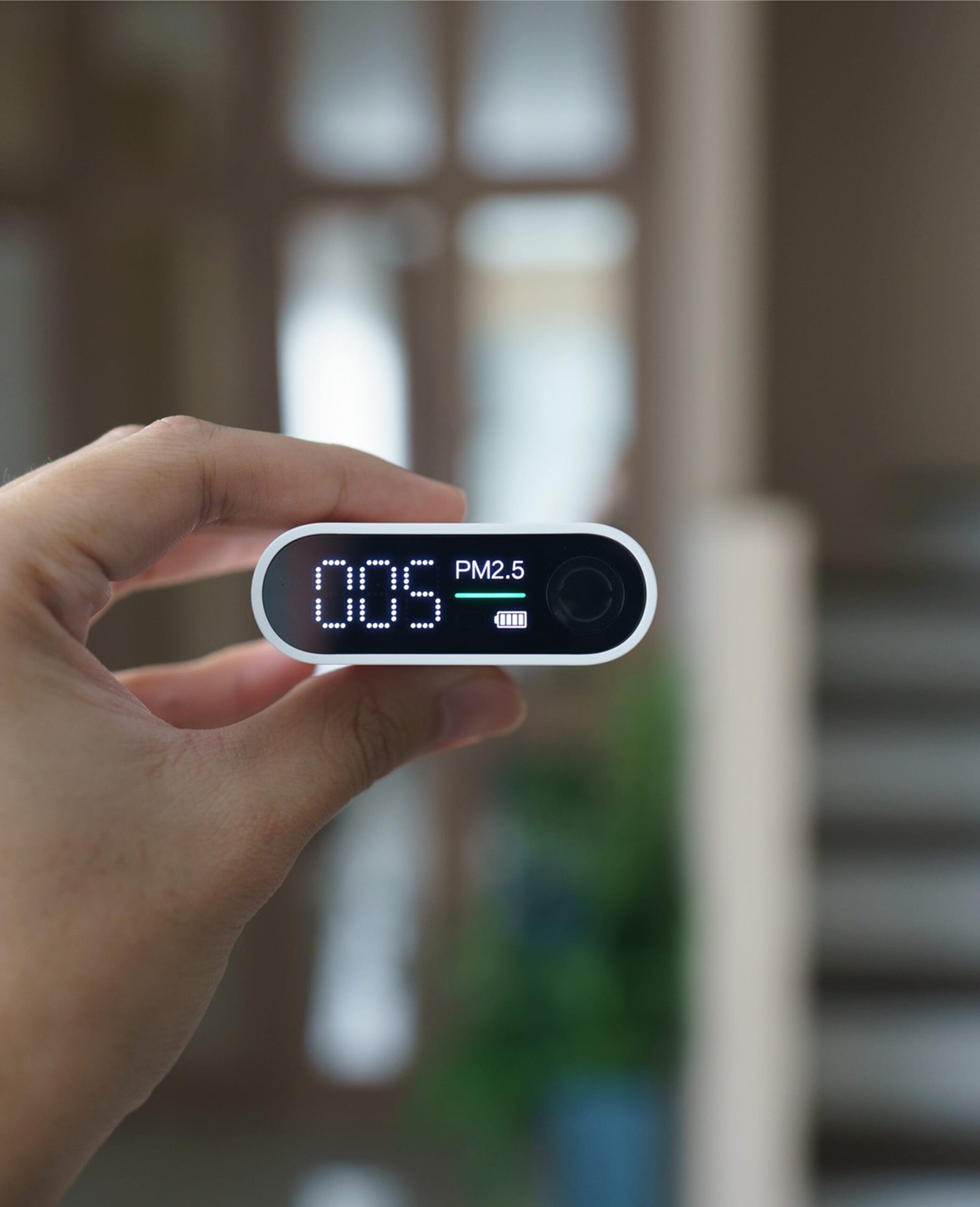
Real products. Real results.





Common IoT integration challenges

Legacy equipment isolation
Industrial controllers and SCADA systems lack secure cloud connectivity, creating operational blind spots.
Protocol fragmentation
Multiple communication protocols (MQTT, OPC UA, Modbus) create integration complexity and data silos.
IT/OT system disconnect
Operational technology remains isolated from enterprise IT systems, limiting real-time business intelligence.
On-premise infrastructure bottlenecks
On-premise servers and legacy middleware struggle to handle modern IoT data volumes, leading to performance issues and an inability to scale.
Data-rich, but insight-poor: the AI/ML gap
You collect vast amounts of IoT data, but your current architecture cannot support modern AI/ML models, and you lose opportunities for real-time insights and predictive analytics.
End-to-end security vulnerabilities
Connecting isolated OT systems to the internet exposes critical infrastructure to new cyber threats, including data breaches and operational sabotage.
Real projects. Real results.
Every project below started with a different setup, a different industry, and a different problem to solve. What ties them together is the outcome: systems that actually talk to each other and deliver measurable business impact. Here’s what working with a certified IoT integration company looks like in practice.










Our comprehensive IoT integration services

Multi-protocol device and sensor integration
We build a universal data channel for your diverse device ecosystem, handling IoT device integration across every major industrial and commercial protocol. Our team designs protocol adapters and message brokers that normalize data at the edge before it reaches your backend.
- MQTT, OPC UA, Modbus, BACnet, Zigbee, BLE, and LoRaWAN support
- Protocol translation and message normalization at the edge
- Scalable from dozens to thousands of field devices
- Clean, standardized data pipelines for analytics and dashboards

Legacy equipment and SCADA modernization
We enable secure cloud connectivity for industrial controllers, SCADA systems, and PLCs without forcing expensive hardware replacements. Our approach wraps existing equipment in modern protocol layers using custom edge gateways, making IoT device integration practical even for aging infrastructure.
- Custom edge gateways and protocol converters for legacy assets
- Cloud services connectivity via AWS IoT Core or Azure IoT Hub
- Security hardening for previously air-gapped systems
- Extended asset lifespan with modern IoT integration solutions

IT/OT convergence platforms
We bridge the gap between operational technology (OT) and enterprise IT systems such as ERP, MES, and CMMS platforms. Our convergence architecture delivers a unified, real-time view across your operational and business layers. This kind of IoT system integration eliminates manual data re-entry and spreadsheet workarounds.
- Data mapping, API orchestration, and security zoning
- Real-time alerts from shop floor to ERP
- Role-based dashboards for smarter decision-making across teams
- Consistent schema across IT and OT environments

Edge-to-cloud architecture and middleware
We design custom edge-to-cloud data pipelines and middleware that handle data processing closer to the source. This reduces latency for time-critical operations and keeps bandwidth costs under control, giving you IoT integrated solutions that adapt to your compliance requirements.
- Local filtering, aggregation, and rule-based edge actions
- Integration with AWS IoT, Azure IoT, on-premises, or private cloud
- Fault-tolerant design: local processing continues during connectivity drops
- Support for streaming and batch data flows

AI and ML integration for intelligent automation
We embed intelligent automation into your operations using custom AI/ML models trained on your actual device data. Our team handles the full pipeline: data ingestion from IoT endpoints, feature engineering, model training, and deployment at the edge or in the cloud.
- Predictive maintenance models that flag failures before they happen
- Anomaly detection for real-time process deviation alerts
- Models integrated directly into operational workflows to trigger actions
- Measurable ROI through reduced downtime and improved throughput

Secure architecture and data governance
We securely handle end-to-end encryption at rest and in transit, OTA firmware updates, and role-based access control across every layer of your IoT stack. Our security frameworks align with IEC 62443, ISO 27001, ISO 27701, GDPR, and HIPAA.
- Device identity management and certificate-based authentication
- Data governance policies baked in from day one
- Audit trails, access logging, and retention policies
- Built-in compliance documentation for regulated industries
Explore more
Ready to integrate with precision?
We’ll handle the details so your IoT runs smoothly.
Technologies we use for IoT integration solutions
Technologies:

MQTT

OPC UA

Modbus

BLE

LoRaWan

ZigBee

CoAP

HTTP

HTTPs

Websocket

AWS IoT Core

Azure IoT Hub

Google Cloud IoT

Siemens mindsphere

Edge Computing

Cloud Middleware

Scada integration

Rest API Orchestration

Secure OTA Updates

Data Encryption

Role-based access control

Certification Management
Yalantis IoT integration process

Discovery and assessment
We start by auditing your existing infrastructure and data flows to map out integration gaps before anything gets built.

Architecture design
Based on what we find, we define how the middleware, data models, and protocol layers need to work together.

Development and integration
With the architecture locked in, our engineers build the adapters, gateways, and connectors that tie your systems together.

Testing and validation
Before anything goes live, we test the full data path for interoperability, security, and performance under load to ensure reliable operation in production.

Deployment and monitoring
Once validated, we roll out in phases with real-time monitoring and SLA configuration in place from the start.

Continuous optimization
After launch, we keep tuning performance and pushing firmware updates as your device fleet grows.
Why choose Yalantis as your IoT integration company
Compliance-first approach
We hold ISO 13485 (medical devices), ISO 27001 (information security), ISO 27701 (privacy management), and IEC 62443 (industrial cybersecurity) certifications. These certifications shape how we architect, develop, and deploy every IoT integrated solution. For enterprises in regulated industries, this means your integration partner already speaks the language of your compliance team.
In-house R&D lab in Warsaw
Our Warsaw-based hardware lab handles PCB design, prototyping, firmware development, and cloud integration under one roof. When your project requires custom edge gateways or sensor boards, we design and test them in-house rather than outsourcing to a third party. This shortens feedback loops, improves scalability, and gives you a single point of accountability for the entire stack, from hardware to cloud.
Trusted by enterprise leaders
We work with organizations like Toyota Tsusho, Bosch, KPMG, and RAKwireless on projects that require both technical depth and operational reliability. These partnerships run for years, not months, because our IoT integration solutions are built to grow alongside their business needs.
Full-cycle capability
From hardware design and firmware development through edge computing, cloud architecture, and enterprise system integration, we cover the full stack. You do not need to coordinate between a hardware vendor, a firmware shop, and a cloud integrator. One team, one backlog, one delivery pipeline. Single team accountable from architecture through deployment and ongoing support.
Your IoT systems need proper integration architecture
Connect legacy equipment to enterprise systems without protocol conflicts or security gaps.






Testimonials from our clients






IoT integration insights
Articles
How to Integrate AI/ML in Medical Devices and Systems and Win in Regulated Markets
Learn what you need to prepare, test, document, and deliver when integrating AI/ML into regulated medical devices, with a free compliance guide to help you get it right.

Articles
How to Integrate Medical Wearable Technologies With EHR Systems in Hospitals and Clinics
Learn why you absolutely have to add wearable health devices into your healthcare facility EHR, and how it will benefit your patients and healthcare providers.

Articles
New Functional Module Integration to Improve Your Logistics Software
Which supply chain pain points an integration of the new functional module can solve and how to prepare your current logistics software for this integration.
Explore related services
FAQ
-
What are IoT integration services?
IoT integration services are about connecting your devices, sensors, and legacy equipment to cloud platforms and enterprise systems so they can actually share data and work together. That includes things like protocol translation, middleware, edge computing, and API connectivity with systems like ERP, MES, or EHR to achieve seamless integration across your stack.
-
How do you integrate IoT devices with legacy SCADA and PLC systems?
We build custom middleware, protocol converters, and edge gateways that sit between your existing SCADA/PLC equipment and cloud platforms like AWS IoT Core or Azure IoT Hub. Your hardware stays in place, but gets secure cloud connectivity and real-time data flow.
-
What IoT protocols do you support for device integration?
We work with MQTT, OPC UA, Modbus, BACnet, Zigbee, BLE, LoRaWAN, and proprietary protocols. Our integration layer translates between them so your backend gets a single, clean data stream no matter what each device speaks.
-
What security standards do you follow for IoT integration?
We follow IEC 62443 for industrial cybersecurity, ISO 27001 for information security, and ISO 27701 for privacy. In practice that means encryption end to end, device identity management, role-based access, secure OTA updates, and audit logging at every layer.
-
How do you ensure data consistency across IT and OT systems?
We set up unified data models with real-time normalization that keep schema mappings consistent across both IT and OT environments. That removes the manual re-entry and format mismatches that usually cause accuracy problems.
-
What is the difference between IoT integration and IoT platform development?
Platform development is about building the thing itself: device management, data storage, dashboards, user interfaces. Integration is about connecting what you already have. We tie together existing devices, protocols, legacy systems, and enterprise software so data integration flows between them without rebuilding everything from scratch. The goal of any IoT solution is to make your systems work together, and that is where we focus.
-
Do you provide hardware design as part of IoT integration?
Yes. Our R&D lab in Warsaw handles PCB design, prototyping, and testing in-house. When a project calls for custom edge gateways or sensor boards, we design and validate them alongside the firmware and cloud work.
-
What is your typical timeline for full-scale IoT integration?
Most projects take 4 to 8 months depending on how many systems are involved and how complex your protocol landscape is. That covers discovery, architecture, development, testing, and phased deployment.
How to get started with IoT integration
Leave your info and a few words about the project. We’ll review it and reach out to book a call.
Welcome to Yalantis, please fill out the form and we’ll get back to you.

Thank you for contacting us.
Keep an eye on your inbox. We’ll be in touch shortly
Meanwhile, you can explore our hottest case studies and read
client feedback on Clutch.